Aviation doesn't end
when you land.
Learning to fly takes far more than hours in the air.
It takes preparation, judgement and an environment that supports every stage.
During the Torre del Mar International Air Festival, Aerodynamics became a meeting point for pilots and members of eight participating teams. They stayed at Aerodynamics Inn, while some of their aircraft landed at La Axarquía, the aerodrome where our students train every day.
For them, it was one stop in an intense weekend. For our students, it was a chance to see aircraft and professionals from very different fields up close. For us, it was an opportunity to show what defines Aerodynamics: training here is connected to operations, people and aviation as it is actually lived.
01 · The Festival at Aerodynamics
When the Festival lands at home
The 11th Torre del Mar International Air Festival brought together aerobatic flying, general aviation, parachuting and institutional participation at one of the Costa del Sol's leading aviation events.
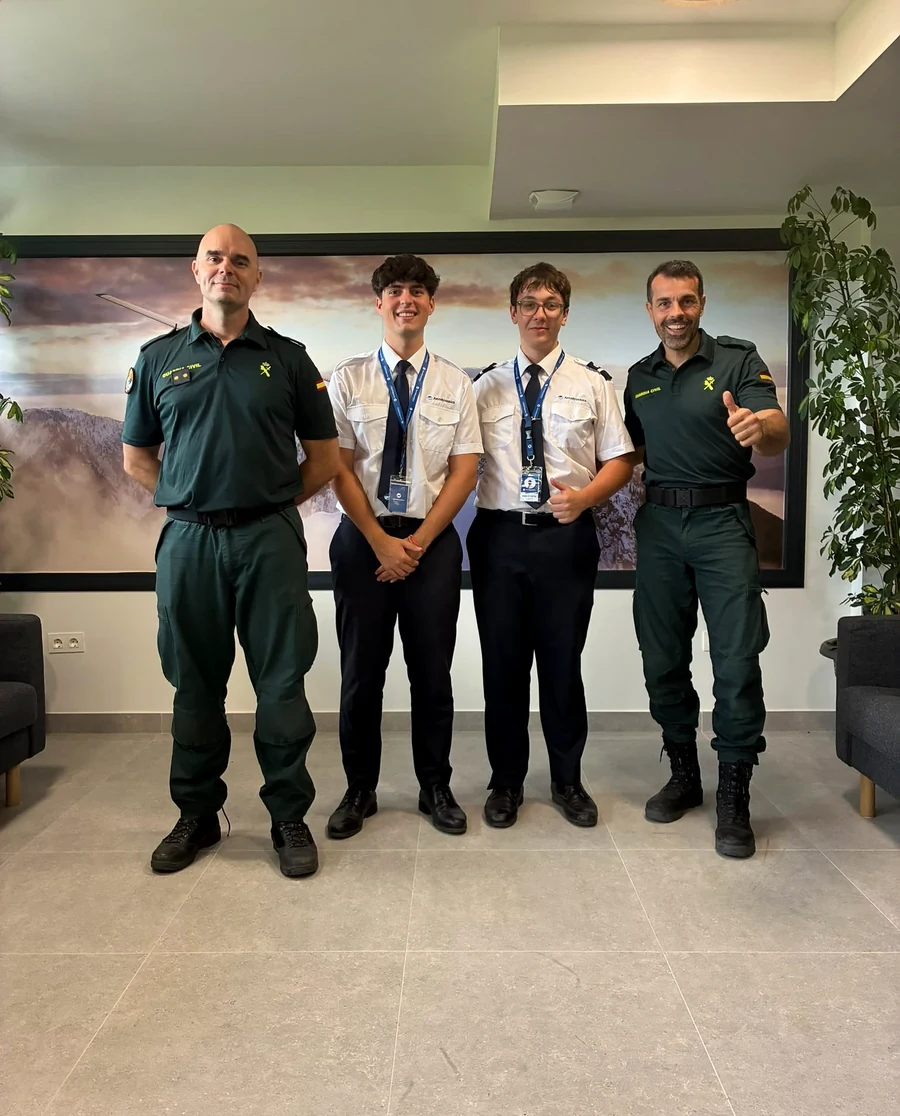
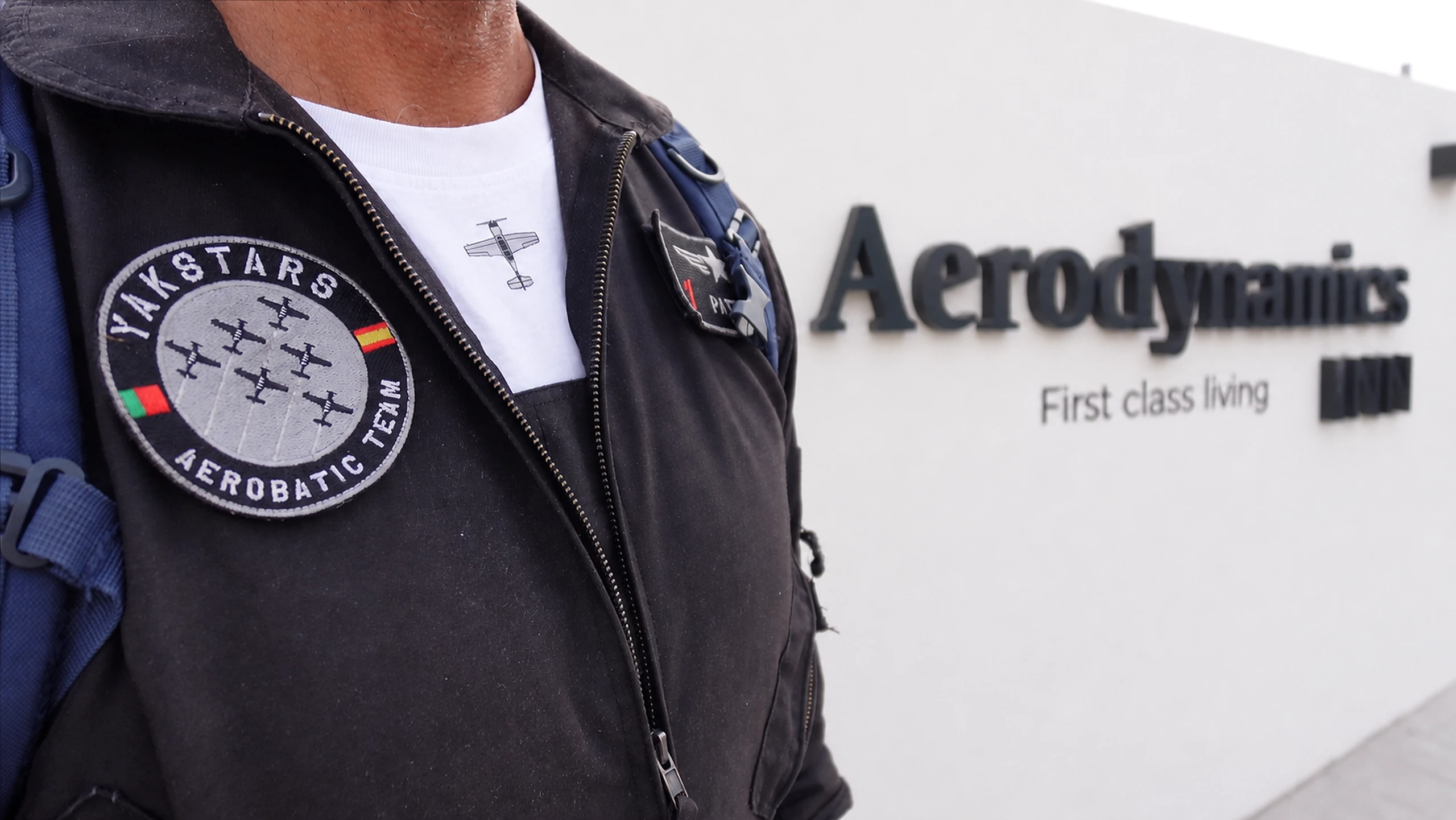
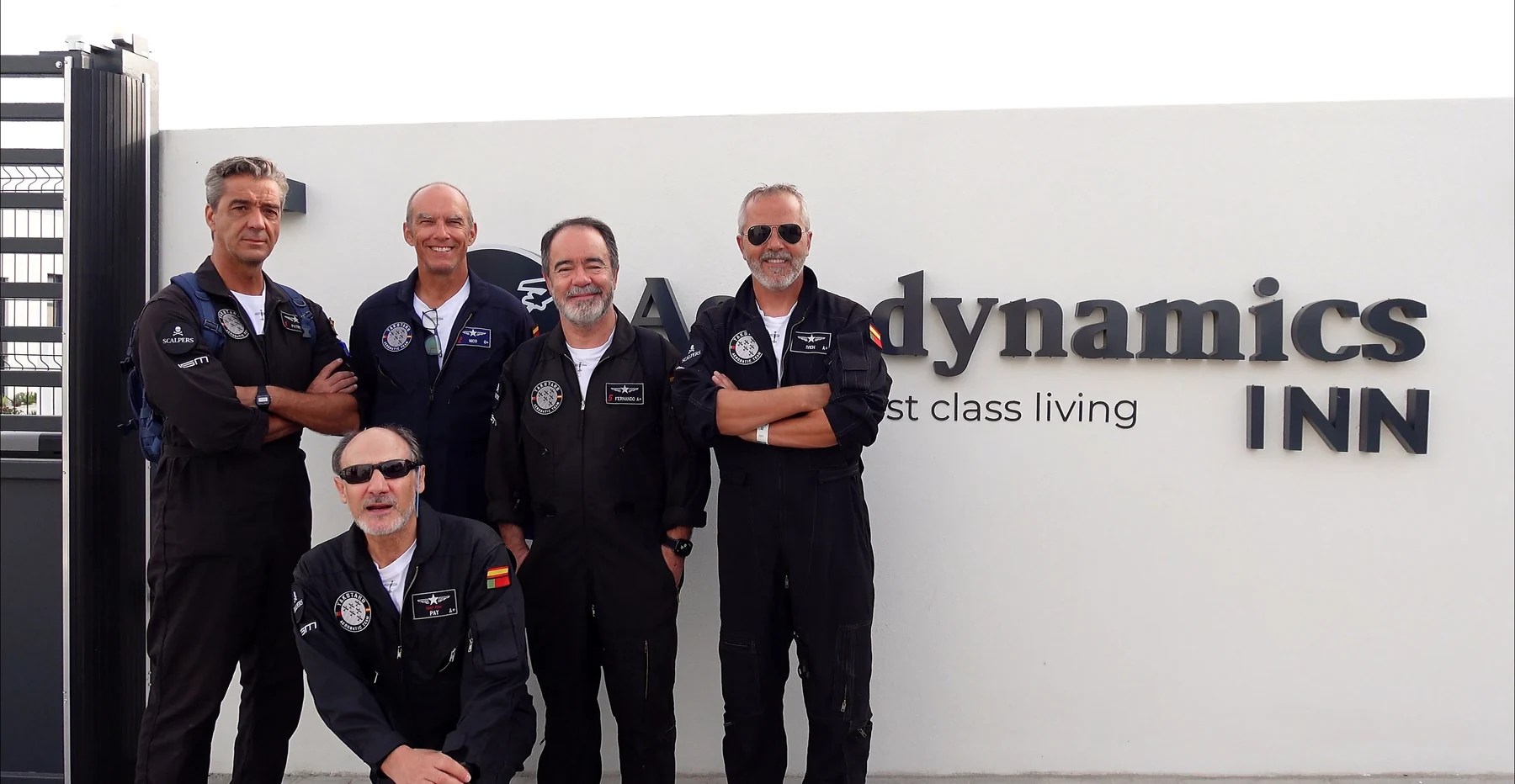
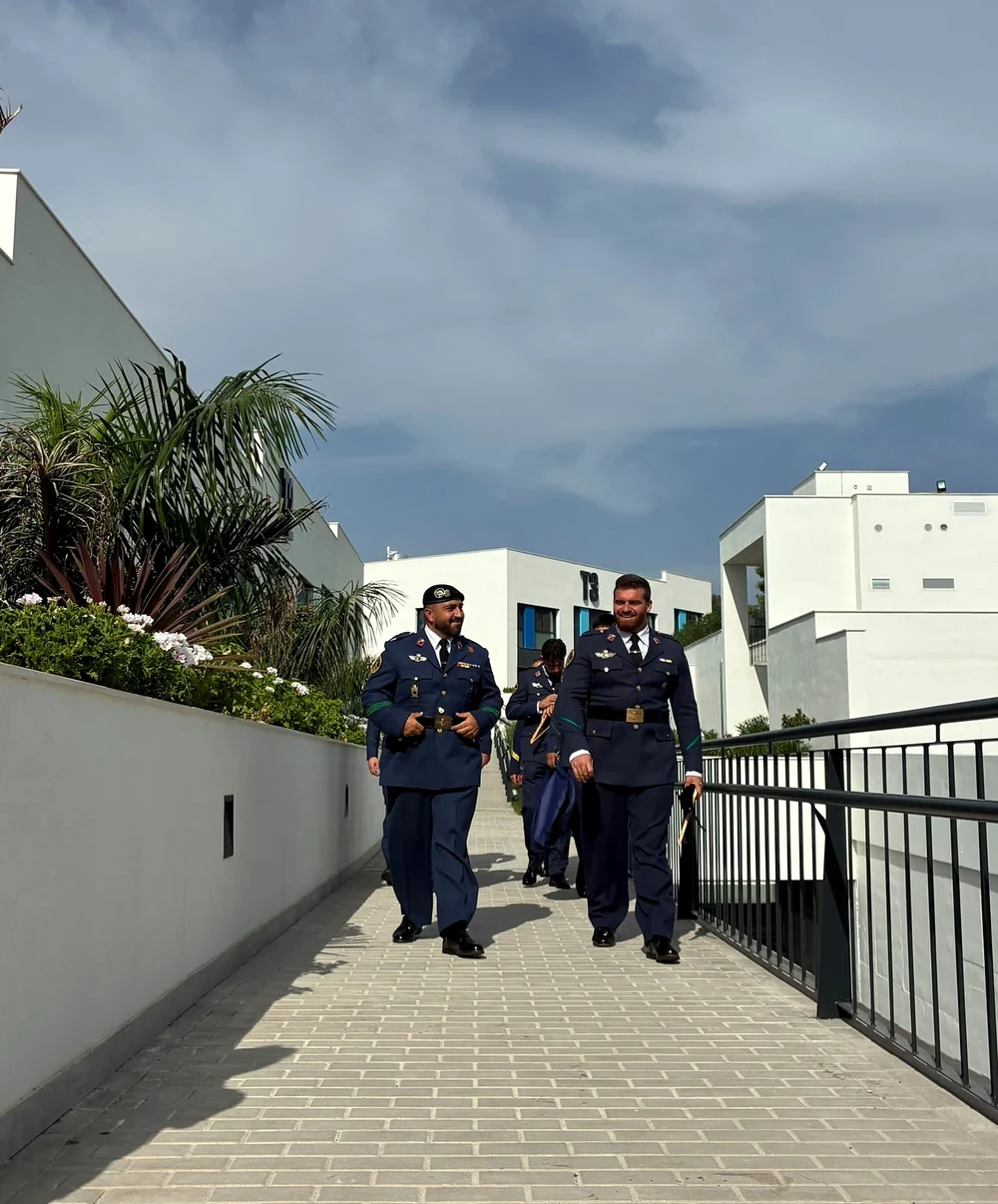
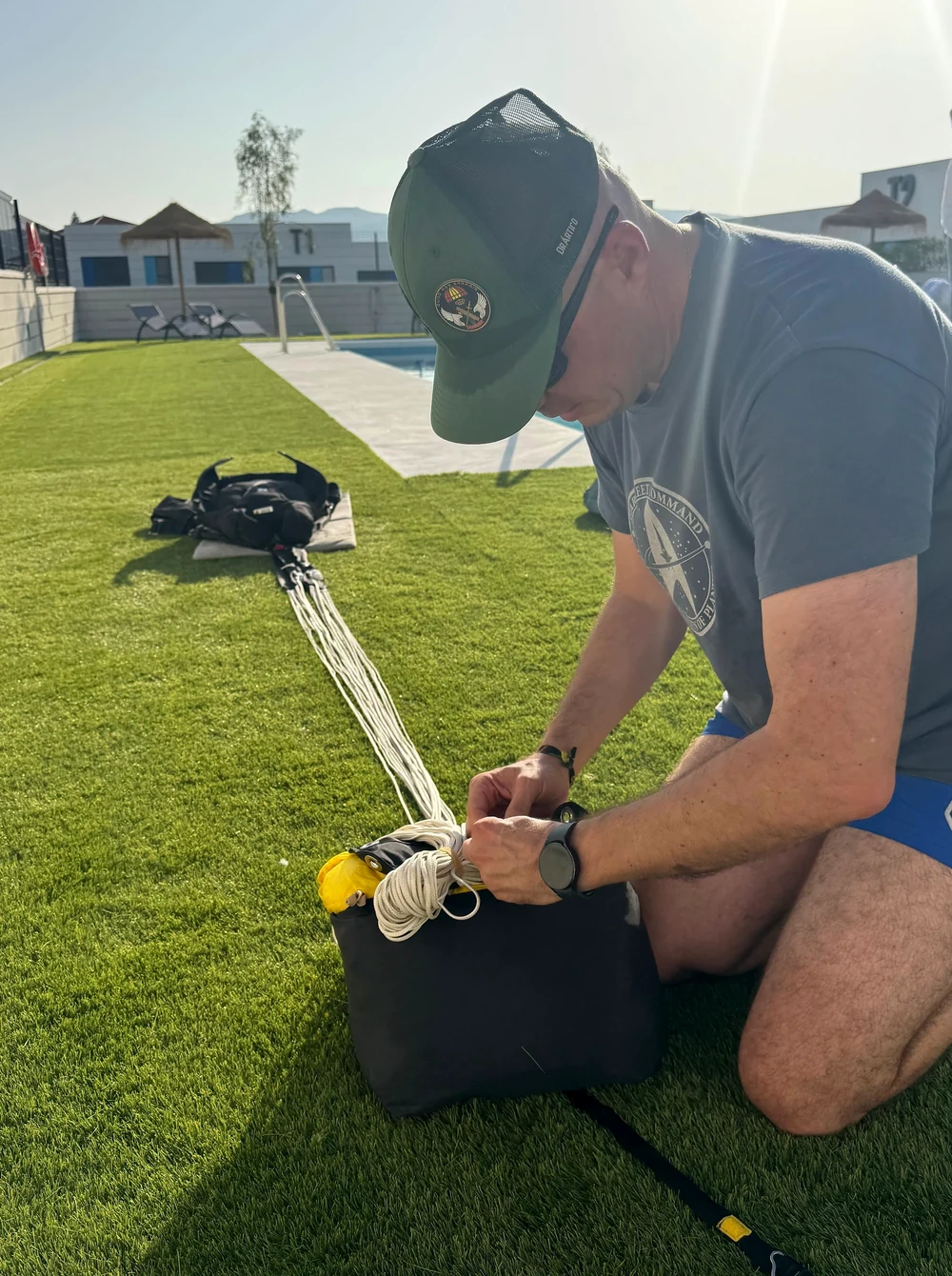
Over the weekend, we welcomed members of Aerosparx, Yakstars, the Real Aeroclub de Sevilla and ELA Aviación, as well as Guardia Civil parachutists, the Guardia Civil aircraft crew, paramotor pilots and the Honour Guard of the Spanish Air and Space Force. Eight teams with very different roles and ways of operating, united by the precision that flying demands.
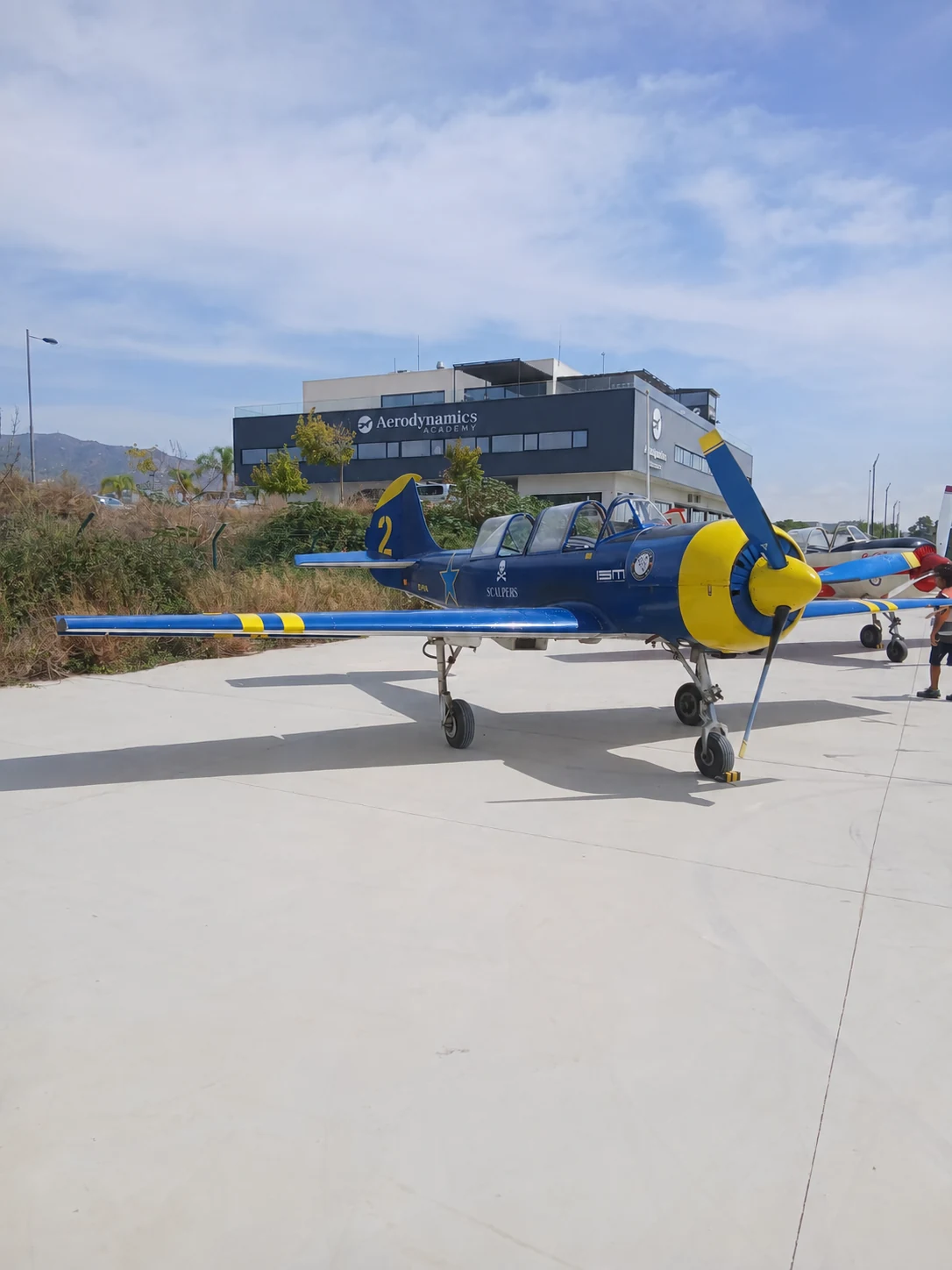
On Friday, several participating aircraft landed at LEAX, our base of operations and the airfield from which Aerodynamics students fly. Watching them arrive brought the Festival into the everyday setting of their training.
Away from the aerodrome, Aerodynamics Inn became the teams' base for rest and preparation. There they planned their days, prepared equipment and crossed paths with students and Academy professionals. Welcoming them brought one of our founding ideas into focus: aviation is also built between flights.
Between flights
02 · Training pilots
Training begins long before take-off
Aerodynamics has been training aviation professionals for more than 25 years. We know that learning to fly is not simply about accumulating hours: it means developing the knowledge, judgement and discipline required to make safe decisions.
Each student progresses through study, simulation, planning, flying and review. None of these stages works in isolation. That is why we coordinate instruction, operations and maintenance around one objective: ensuring that every session has a clear purpose within the student's progression.
Our Vélez-Málaga campus brings together classrooms, simulators, planning and operations, alongside our base at La Axarquía, where flight training takes place. This proximity connects what students learn in the classroom with everything that happens before, during and after each operation.
Students do not progress alone. Behind every flight are instructors, operations staff, technical teams and resources working together so that they can learn, practise and review.
We train pilots to understand a decision, explain a procedure and assess their own performance honestly. Study, practice and debriefing build that professional judgement from the earliest stages.
For a few days, the Festival aircraft broadened that horizon. Our students were able to encounter other aviation disciplines, observe different ways of operating and place their own training within a profession far wider than any syllabus.
03 · Beyond the classroom
Everything that supports training
Pilot training requires much more than a classroom and an aircraft. It takes planning, simulation, operations, maintenance and an environment in which students can focus during an especially demanding stage of their lives.
At Aerodynamics, we connect those elements. The Academy, the fleet, the simulators, the campus and Aerodynamics Inn support different moments in the same journey: preparing for a profession in which every detail matters.
Aerodynamics Inn completes that experience for students arriving from other cities and countries. Just minutes from the campus and the aerodrome, the residence allows them to organise daily life close to where they train.
During the Festival, that same capacity allowed us to host the participating teams and support their stay without separating the event from our everyday activity. Aviation was present on the runway, at the Academy and in the time between one day and the next.
That is the Aerodynamics ecosystem: each part strengthens the others. The Academy sets the direction; the fleet, simulators and operations turn learning into experience; Aerodynamics Inn supports the life that surrounds training.
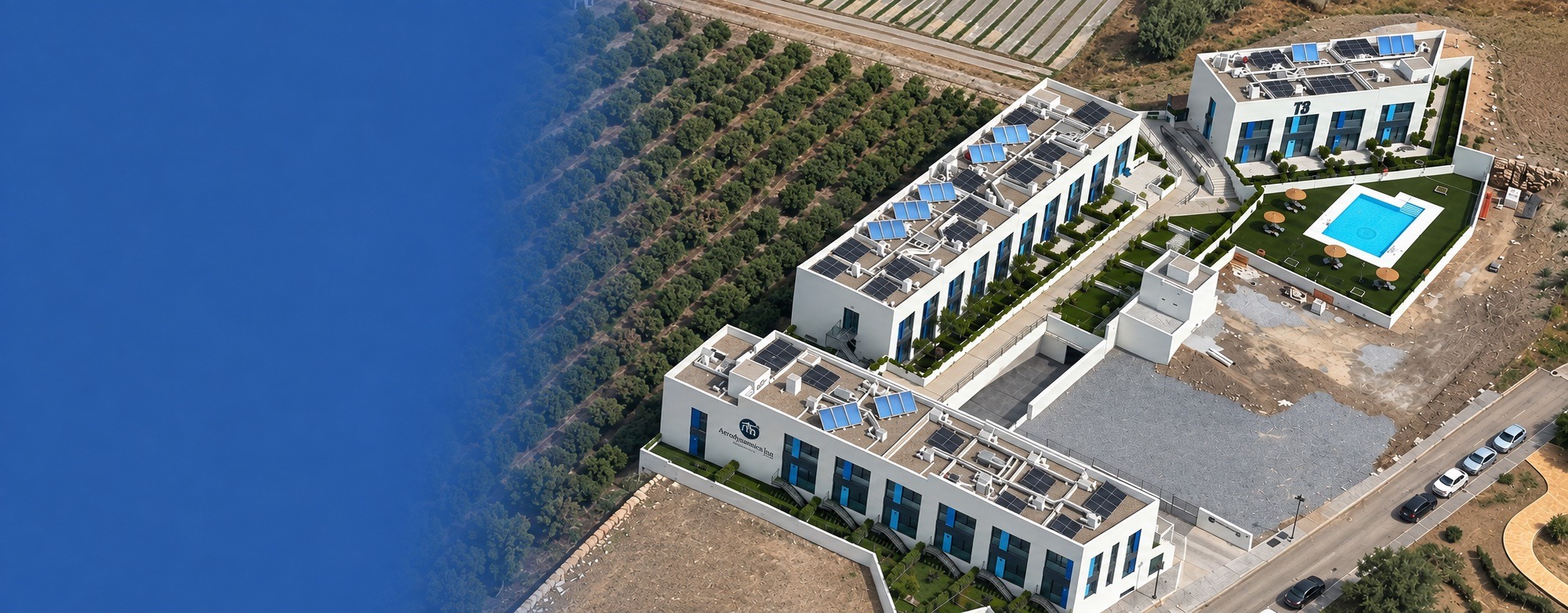
One morning at Aerodynamics Inn
“Better than good.
Almost perfect.”
An aviation community
Learning from those who live aviation every day
Aerodynamics brings together students, instructors, operations staff, technical teams and professionals who work every day to make flying possible. Their responsibilities differ, but each one contributes to the learning environment around the student.
The arrival of the Festival teams brought new backgrounds and disciplines into that community. For our students, meeting people who experience aviation from other perspectives was another way to understand the breadth of the profession they have chosen.
For our team, the weekend mattered on a personal level too. It brought us together with other professionals, created space for shared experiences and opened Aerodynamics to people who understand the commitment this world demands.
Air festivals last only a few days. The connections and curiosity they create can last much longer. That is why we want Aerodynamics to remain a place where aviation is not only studied and practised, but shared.